
 EN
EN
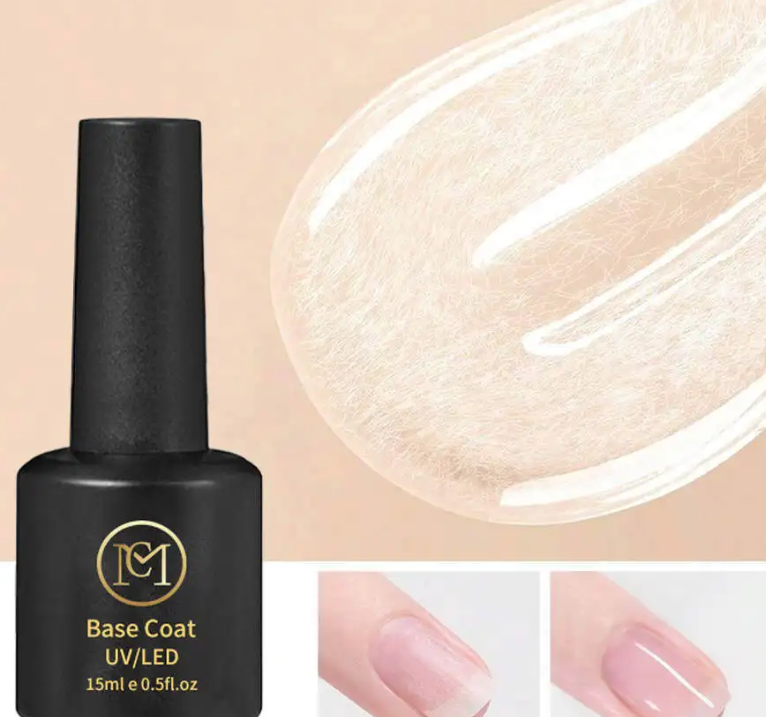
Why Long-Wearing Base Coats Are Critical for Salon Performance
A base coat is the foundation of every manicure—directly determining polish longevity and shaping how clients perceive your salon’s quality. Without a durable base layer, natural nail oils compromise adhesion, triggering premature chipping, peeling, and staining. This erodes client trust and increases redo requests, cutting into stylist time and profitability. Industry distributor surveys show salons using high-performance base coats report nearly 35% higher customer repeat purchase rates than those relying on standard formulas (2023)—a clear link between product quality and loyalty. The difference lies in consistently flawless wear for up to 14–21 days, transforming one-time clients into loyal patrons. Long-wearing base coats also shield nails from discoloration and damage, reinforcing your commitment to nail health. Fewer re-dos mean more appointment slots, less product waste, and improved operational efficiency. Clients who enjoy chip-free wear for weeks are more likely to book premium services and refer others—fueling organic growth. In today’s competitive market, delivering durable, vibrant manicures sets your salon apart, driving retention and raising average ticket value. A quality base coat isn’t just a step in the service—it’s a strategic driver of overall success.
Key Formulation Factors That Extend Base Coat Wear Time
Film-forming polymers and cross-linking density
The backbone of any long-wearing base coat is its film-forming polymer system. Nitrocellulose, acrylate copolymers, and polyurethane hybrids create a resilient network on the nail surface. Cross-linking density governs this network’s strength: higher density improves solvent resistance and hardness, reducing edge chipping. Research confirms that optimized cross-linking (0.5–1.0 mol/dm³) extends wear time by an average of 30% (Polymer Coatings Journal, 2021). Yet excessive cross-linking risks brittleness. The ideal balance is achieved through a semi-interpenetrating polymer network—moderate cross-linking delivers toughness and flexibility, preventing cracks during natural nail flexion.
Adhesion promoters vs. plasticizers: balancing grip and flexibility
Adhesion promoters—such as silane coupling agents or phosphate esters—form covalent bonds with keratin in the nail plate, anchoring the film against moisture and mechanical stress. Plasticizers lower the polymer’s glass transition temperature to reduce brittleness, but too much can migrate away from the interface, weakening adhesion. A 2023 comparative test found base coats with a 2% plasticizer and 1% adhesion promoter ratio sustained 20% longer wear than high-plasticizer alternatives (Nail Tech Review, 2023). The most effective formulations combine a low-level plasticizer for controlled flexibility with a reactive adhesion promoter—resolving the classic trade-off between grip and give.
Salon-Validated Long-Wearing Base Coat Options
Top-performing base coats with 14–21 day wear data
Rubberized base coats with high cross-linking density consistently deliver 14–21 day wear in real-world salon evaluations. One fiber-reinforced formula maintained full adhesion for an average of 18 days before visible lifting occurred (internal salon pilot, 2024). Elastic modifications allow the film to move with natural nail flex, minimizing stress-crack formation. Viscous, self-levelling bases eliminate brush strokes and fill minor ridges—creating a uniform foundation that keeps color layers intact far longer than thin, runny alternatives. Benchmark testing shows a base coat with polyamide micro-fibers and gel-like consistency added roughly four extra days of wear versus a standard clear base (third-party panel, 2024). When paired with a compatible top coat, these formulations help salons meet client demand for extended durability—without sacrificing gloss or ease of removal.
Compatibility insights: gel, hybrid, and traditional polish systems
Gel systems require a base coat that cures fully under LED or UV light and forms an oxygen-inhibition-resistant seal. Softer, tacky formulations bond well with gel layers but must remain thin enough to avoid heat spikes. Hybrid (gel-like) base coats bridge the gap—offering traditional polish’s quick drying with cured gel’s toughness—and are ideal for clients seeking extra wear without gel removal complexity. Traditional polish bases rely on nitrocellulose backbones and adhesion promoters; while less durable, they remain indispensable for express services and frequent color changers. Matching the base coat precisely to the overlay system extends rebooking intervals and reduces repair time—making it one of the most consequential inventory decisions a salon can make.
How to Maximize Base Coat Longevity in Real-World Salon Use
Proper application technique and meticulous client preparation are essential for unlocking the full wear potential of a high-quality base coat.
Application best practices that prevent lifting and chipping
Apply thin, even layers—avoid flooding cuticles, as product on skin creates lift points. Cap the free edge of each nail with a small amount of base coat to seal the tip. Allow full drying or curing before applying color. Overloading the brush leads to thick, poorly adhering coats prone to premature peeling. Use gentle, consistent pressure and uniform strokes for even coverage without air bubbles. For gel systems, ensure full curing under the correct lamp wattage and exposure time. Never touch the dehydrated nail surface before application—skin oils instantly degrade adhesion. Following these steps can extend wear time by up to 30%.
Client prep and nail surface optimization for superior base coat adhesion
Begin by thoroughly dehydrating the nail plate with pure acetone or a professional cleanser to remove oils and moisture. Lightly buff with a fine-grit file to create microscopic texture—enhancing mechanical grip. Push back and trim cuticles to expose a clean nail bed, and avoid oil-based products pre-service. Proper prep increases adhesion strength by up to 40%, per industry studies (Nail Tech Review, 2023). Apply the base coat immediately after dehydration to prevent recontamination. A clean, dry, slightly roughened surface enables optimal bonding—reducing lift risk even under daily wear. This disciplined preparation isn’t optional—it’s the non-negotiable first step toward truly long-lasting results.
FAQs
Why is a base coat essential for manicure longevity?
A base coat acts as a protective layer on the nail, preventing chipping, peeling, and staining. It enhances adhesion, improving polish longevity and client satisfaction.
What are the key ingredients in long-wearing base coats?
Long-wearing base coats typically contain film-forming polymers, adhesion promoters, and plasticizers in balanced amounts to create a tough yet flexible network on the nail surface.
How can salons maximize base coat effectiveness?
Salons can optimize base coat performance by dehydrating the nail plate, applying thin and even layers, and avoiding overloading the brush to prevent premature peeling. Proper curing under appropriate conditions is also critical.
Are rubberized base coats better than traditional clear bases?
Yes, rubberized base coats with cross-linking density and flexibility often deliver longer wear and better durability compared to traditional clear bases, according to salon evaluations.


