
 EN
EN
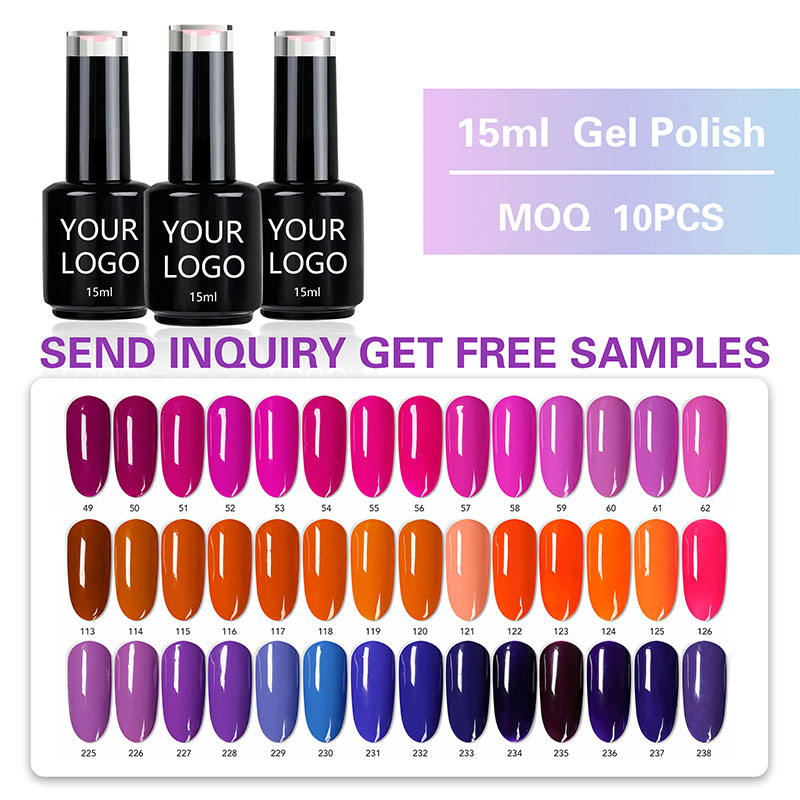
Since nail polish has become a routine service in many nail salons, gel polish has become in demand with nail technicians and customers because of its ability to not chip or peel for weeks. The reason gel polish can last that is due to its many scientific elements, and not simply because of one factor. Its combination of formulating and curing technology, structural and raw materials, and market practical optimization, with over 12 years of experience in production in the nail industry, we can understand fully its purpose. It is clear that the entirety of the product is meticulous and is made to endure the varying amounts of stresses it will encounter from hand washing, house work, scratches, bumps and other activities.
Emulsion Technology for Adhesive and Toughness
The secret to our gel polish's resistance to chipping is the technology behind the gel polish formulations, which integrate base resins, adhesion promoters, and toughening agents in precise ratios. While base resins make up the primary film of the gel polish, adhesion promoters create a microscopically sized bond to the natural nail's surface to reduce lift at the edges, and toughening agents add resiliency to the film so that it can move and flex with the nail instead of creating a break or chip. This combination has been repeatedly evaluated in numerous nail salons, and the gel polish has been shown to hold adhesion for more than 45 days, even with heavy use. Its differentiated film structure provides exceptional resistance to damage, allowing it to far outlast conventional nail polish.
UV LED Curing: Full Nail Gel Polish Hardening
A UV/LED curing process encourages cross-linking reactions of the resin components within the gel polish. This creates a rigorous 3D network of the gel polish, enhancing the overall structure. This increases the gel polish coating and the wear and tear resistance to nails. This also ensures protective coating is resistant to damage by friction and scratches. This process meets all compliance and standard procedures within the EU REACH and US FDA. Gel polish is fully cured and there are no uncured components remaining. Uncured gel polish is the early cause to the chipping and peeling of polish and an early termination to the gel polish performance. This is the reason for regulating the process in certifying the long-term performance stability in the gel polish.
Gel Polish Uses A Three Layer Design
Long-lasting gel polish uses a three layer structural design of base coat, color coat, and top coat. Each layer serves its own purpose to provide maximum resistance to chipping. The base coat is made of a thick, gel-like, resin matrix that binds the gel to the etch of the natural nail filling the tiny grooves and imperfections of the nail and giving a smooth surface to adhere the color coat to. The color coat is a pigmented and colored, hydro gel that gives the polish its color but is still flexible to allow for any movement in the nail and still has great adhesion to the top coat. The top coat is what gives the gel polish its final finish. The top coat is a great protective layer for the underlying color coat as it is also a little softer than the color coat to give great protection against scratches and nicks on the top surface and edges of the nail. In salon trials, the three-layer structural design of Gel has proved to reduce or eliminate the problem of layered peeling of gel polish. In addition, the top coat has proven to help keep the nail surface smooth for weeks and scratches free.
Selecting Suitable Raw Materials for Consistent Performance
Choosing the right raw materials is an important consideration in long-term chipping resistance and safety of gel polishes. Responsible manufacturers replace harmful substances, like TPO, an EU-banned photoinitiator because of its reproductive toxicity, with cosmetic-grade raw materials and natural resins. These materials provide and decrease product irritancy and odor, and also increase yellowing and chemical resistance. This prevents gel polishes from chipping and deteriorating from exposure to cosmetics, hand sanitizers and other daily use chemicals. Compliant raw materials also enhance the product's global marketability as they comply with safety regulations of all countries and regions.
Practical Value for Salon and Wholesale Markets
The technical benefit of resistance to chipping results in practical benefits in the nail beauty market. For nail salons, gel polishes that last 45 days mean less frequent touch-ups, greater customer satisfaction, and greater chances of customer return. Salon owners state that after using such gel polishes, repeat customers increased by 30% because less visits for repairs were needed. For lower order quantity custom services, private label brands and wholesale distributors can easily start and grow their nail lines with the combination of longevity and low order quantity services for their customers. For customers, the quality, shelf stability, and decreased inventory of the product with increased repeat orders helps to extend the reorder cycle from 15 days to 45 days.
The reason long-lasting gel polish resists chipping is because of the balanced improvements of the polish’s formulation, technology, composition, and raw materials. Each design element is derived from advanced technical research and design, as well as market application. The formulation’s adherence to global standards and regulations helps capture the international market. From the perspective of the nail beauty industry, not only does this type of product provide consumers with extended beautiful nails, but it also generates additional business value for salons and distributors, enhancing the industry’s overall health.