
 EN
EN
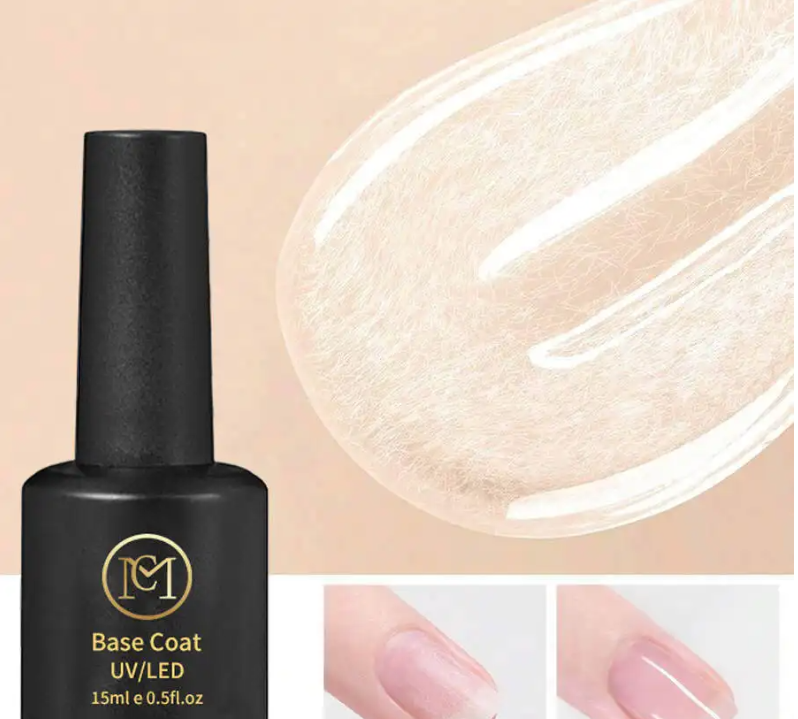
What Rubber Base Gel Actually Does for the Nail
Rubber base gel has become a staple in professional nail services, and for good reason. Unlike regular base coats that mainly act as a sticky layer between the natural nail and the color gel, a rubber base gel brings real structural support to the table. The formula is thicker and more flexible, which means it can fill in ridges, smooth out uneven nail surfaces, and create a stronger foundation that resists lifting. Nail techs often compare it to a self leveling cushion that grips the nail plate while still allowing a bit of flex. This matters because natural nails bend and move throughout the day. A base that is too rigid will crack or pop off, while one that is too soft will not hold the color properly. Rubber base gel sits in that sweet spot where durability and flexibility overlap. Clients with thin, brittle, or damaged nails notice the difference almost immediately, especially if they have struggled with gel polish chipping or peeling within days of a manicure.
Why the Right Formula Matters for Salons and Brands
The performance of a rubber base gel comes down to the chemistry. Too much flexibility and the product feels gummy, making it hard to build a smooth surface. Too little and it behaves like a hard gel, which defeats the purpose of the flexible layer. A well balanced formula should apply smoothly without flooding the cuticles, self level within a reasonable working time, and cure under both LED and UV lamps without wrinkles or heat spikes. The viscosity also plays a role in how forgiving the product is for technicians. A rubber base that is too runny will slide into the sidewalls, while one that is too thick will feel like pushing putty around the nail. For brands developing their own nail product line, these small differences are what separate a premium item from a generic one. A salon owner in Australia once told me that switching to a better rubber base gel reduced her clients' lifting complaints by more than half within two months. That kind of result builds repeat business and protects the salon's reputation, which is exactly why the product choice matters so much.
Key Features Buyers Should Look For
When evaluating rubber base gel for retail or professional use, there are several features that deserve attention. HEMA free formulas have become a major selling point because many clients now ask for products with lower allergy risk. Good adhesion to the natural nail is another must, especially for techs who work with clients that have oily nail beds or frequent lifting issues. The gel should also be easy to file and remove. Some rubber bases are so tough that removal takes forever and damages the nail, which is not what anyone wants. Color options matter too. Clear and neutral pink shades are the workhorses, but milky whites and soft nudes give clients a polished look even without color on top. Packaging is another practical consideration. Bottles with a brush that holds the right amount of product and caps that do not leak make a big difference in a busy salon environment. For OEM and ODM buyers, the ability to customize viscosity, color, and scent can set a brand apart in a crowded market.
Common Problems with Low Quality Rubber Base Gels
A cheap rubber base gel can cause more trouble than it saves. One of the most common complaints is heat spikes during curing, which happen when the formula cures too quickly and releases excessive heat into the nail bed. This is painful for clients and can even cause long term sensitivity. Another issue is shrinking. Low quality formulas often pull away from the free edge as they cure, which leads to lifting within a few days. Bubbles are another red flag, especially in gels that are too thick or contain volatile ingredients. Some products also yellow over time, particularly when exposed to sunlight or heat. This ruins the look of sheer and light colored manicures and drives customers away. Brands that build their name on consistent quality avoid these problems by working with manufacturers who test batches for viscosity, adhesion, and cure time before shipping. The cost of a bad batch is not just the money lost on returns. It is the trust lost with salons and end users who expected better.
The Business Case for Adding Rubber Base Gel to Your Lineup
For brands in the nail care space, rubber base gel is not just another SKU. It is a gateway product that pulls customers into the rest of the line. Once a client is loyal to a particular base gel, they are much more likely to try the same brand's color gels, top coats, and nail treatments. This makes rubber base gel a smart entry point for new brands entering the market and a strong retention tool for established ones. The professional segment is especially valuable because salons buy in larger quantities and reorder frequently when they find a product that works. The consumer market is also growing as more people do their nails at home and look for products that feel professional grade. Offering a rubber base gel that performs well across both LED and UV systems, works on different nail types, and stays chip free for at least two to three weeks gives a brand instant credibility. In the current market, where customers have endless choices, performance is the best marketing.
How Colormark Supports OEM and ODM Projects from Start to Finish
Developing a rubber base gel that meets professional standards takes more than just a formula. It takes manufacturing discipline, ingredient transparency, and a partner who understands the beauty industry from both a technical and commercial angle. Colormark has built its reputation on producing nail care products that work in real salon conditions, not just in a lab. The company works with brands to develop custom rubber base gels with the right viscosity, cure speed, and color range for their target market. From packaging design to regulatory documentation, Colormark handles the details that often slow down new product launches. For OEM and ODM clients, that means fewer delays, fewer surprises, and a product line that feels cohesive and professional. Whether you are starting a new nail brand or expanding an existing one, the right manufacturing partner can make the whole process smoother and the final product more competitive. In a market where consistency and performance decide who succeeds, Colormark gives brands the support they need to stand out.
Table of Contents
- What Rubber Base Gel Actually Does for the Nail
- Why the Right Formula Matters for Salons and Brands
- Key Features Buyers Should Look For
- Common Problems with Low Quality Rubber Base Gels
- The Business Case for Adding Rubber Base Gel to Your Lineup
- How Colormark Supports OEM and ODM Projects from Start to Finish


