
 EN
EN
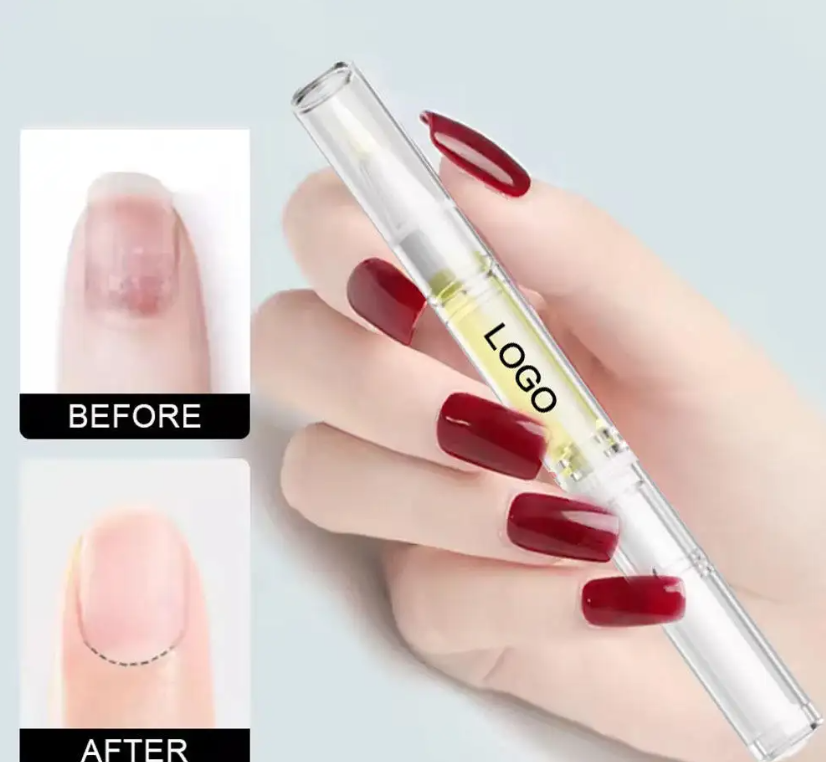
Why Cuticle Oil Deserves a Spot in Your Routine
Most people spend a lot of time thinking about nail polish colors, nail shapes, and whether their manicure will last through the week. But the skin around the nails rarely gets the same attention. That little strip of skin is the cuticle, and it acts like a protective seal that keeps moisture in and keeps bacteria and fungus out. When the cuticle gets dry, cracked, or peeled back, that seal breaks down. The result is rough edges, hangnails, and nails that look tired even when they are freshly painted. Cuticle oil is one of those simple products that can quietly fix a lot of these issues without a complicated routine. A few drops a day can soften the skin, protect the nail matrix, and make the whole hand look healthier. Nail technicians have been pushing cuticle oil for decades, and dermatologists agree that keeping the nail folds moisturized is one of the easiest ways to prevent painful splits and infections.
When and How Often to Apply Cuticle Oil
The timing of cuticle oil application matters more than most people realize. The best moments are after washing your hands, before bed, and right after a shower or bath. Warm water softens the skin and opens up the pores, which means the oil can sink in more effectively. A good baseline habit is applying cuticle oil at least twice a day, once in the morning and once at night. If you work in a dry environment, wash your hands constantly, or deal with cold weather, you might need to bump that up to three or four times daily. The application itself takes less than a minute. Place a drop or two at the base of each nail, then massage the oil into the cuticle and the skin around the nail using small circular motions. Massaging is not just about spreading the oil. It also boosts blood flow to the nail bed, which supports nail growth over time. Consistency matters more than the exact number of drops. A little bit every single day beats a heavy soak once a week.
Picking the Right Cuticle Oil for Your Skin and Nails
Not all cuticle oils are created equal, and the ingredients list tells you a lot about what you are really putting on your hands. Jojoba oil is a favorite because its molecular structure is close to human sebum, so it absorbs quickly without leaving a greasy mess. Sweet almond oil is another common choice, packed with vitamin E and fatty acids that nourish the skin. Vitamin E itself is a staple in many cuticle oil blends because it helps repair damaged skin and adds a protective barrier. Some products also include tea tree oil or lavender for their antimicrobial and soothing properties. If you have sensitive skin, stay away from formulas loaded with synthetic fragrances or alcohol, since those can irritate the cuticle instead of helping it. A good cuticle oil should feel light but still leave a thin layer of moisture after you rub it in. If it disappears completely within seconds and leaves your skin feeling tight, it might be too thin to do the job properly.
Common Mistakes That Make Cuticle Oil Less Effective
Even with a bottle of great cuticle oil on hand, a few habits can sabotage your results. The biggest mistake is cutting or trimming the cuticle too aggressively. Some salons still push the idea that cuticles should be clipped away for a cleaner look, but that removes the natural protective barrier and invites infection. A better approach is to soften the cuticle with oil, then gently push it back with a wooden stick or a soft cuticle pusher. Another mistake is applying oil on top of old nail polish and expecting it to reach the cuticle properly. Oil needs direct contact with the skin to work. If your nails are covered in polish, apply the oil around the edges and underneath the free edge of the nail where possible. Some people also forget to reapply after using hand sanitizer or harsh soaps. Alcohol based sanitizers strip moisture from the skin almost instantly, so a small bottle of cuticle oil in your bag or on your desk is a smart backup.
How Cuticle Oil Supports the Nail Products You Already Use
If you wear gel polish, acrylics, or dip powder, cuticle oil becomes even more important. These enhancements can dry out the natural nail underneath and put stress on the surrounding skin. Regular oil application keeps the nail flexible and reduces the chance of lifting or cracking at the edges. It also helps the skin recover after the removal process, which can be rough on the cuticles no matter how careful the technician is. For people who prefer natural nails, cuticle oil still pulls its weight by preventing peeling and keeping the nail plate smooth. A well maintained nail surface holds regular polish better and chips less around the tips. The link between healthy cuticles and better looking nail products is something professional nail artists understand deeply. It is the same reason high end salons include a cuticle oil treatment at the end of almost every service.
Small Daily Habit Big Long Term Results for Your Brand
Cuticle care is a small commitment with visible payoffs, and for businesses in the beauty and personal care space, it also represents a real opportunity. Colormark understands that nail and cuticle health products need to be both effective and easy to use. The company has worked with clients to develop cuticle oils and related nail care items that fit into busy daily routines without adding extra steps. Whether it is sourcing the right oil blends, designing packaging that travels well, or ensuring product stability in different climates, Colormark brings practical manufacturing and supply chain experience to the table. For brands looking to offer cuticle oil as part of a broader nail care lineup, that kind of support can make the difference between a product that sits on a shelf and one that customers actually repurchase. Healthy nails do not happen by accident. They happen when the right ingredients, the right habits, and the right product partner all line up.
Table of Contents
- Why Cuticle Oil Deserves a Spot in Your Routine
- When and How Often to Apply Cuticle Oil
- Picking the Right Cuticle Oil for Your Skin and Nails
- Common Mistakes That Make Cuticle Oil Less Effective
- How Cuticle Oil Supports the Nail Products You Already Use
- Small Daily Habit Big Long Term Results for Your Brand


